

Commentary
Balázs Jarábik
{
  "authors": [
    "Balázs Jarábik"
  ],
  "type": "commentary",
  "blog": "Carnegie Politika",
  "centerAffiliationAll": "",
  "centers": [
    "Carnegie Endowment for International Peace",
    "Carnegie Russia Eurasia Center"
  ],
  "englishNewsletterAll": "",
  "nonEnglishNewsletterAll": "",
  "primaryCenter": "Carnegie Russia Eurasia Center",
  "programAffiliation": "",
  "regions": [
    "Ukraine"
  ],
  "topics": [
    "Civil Society",
    "Political Reform"
  ]
}
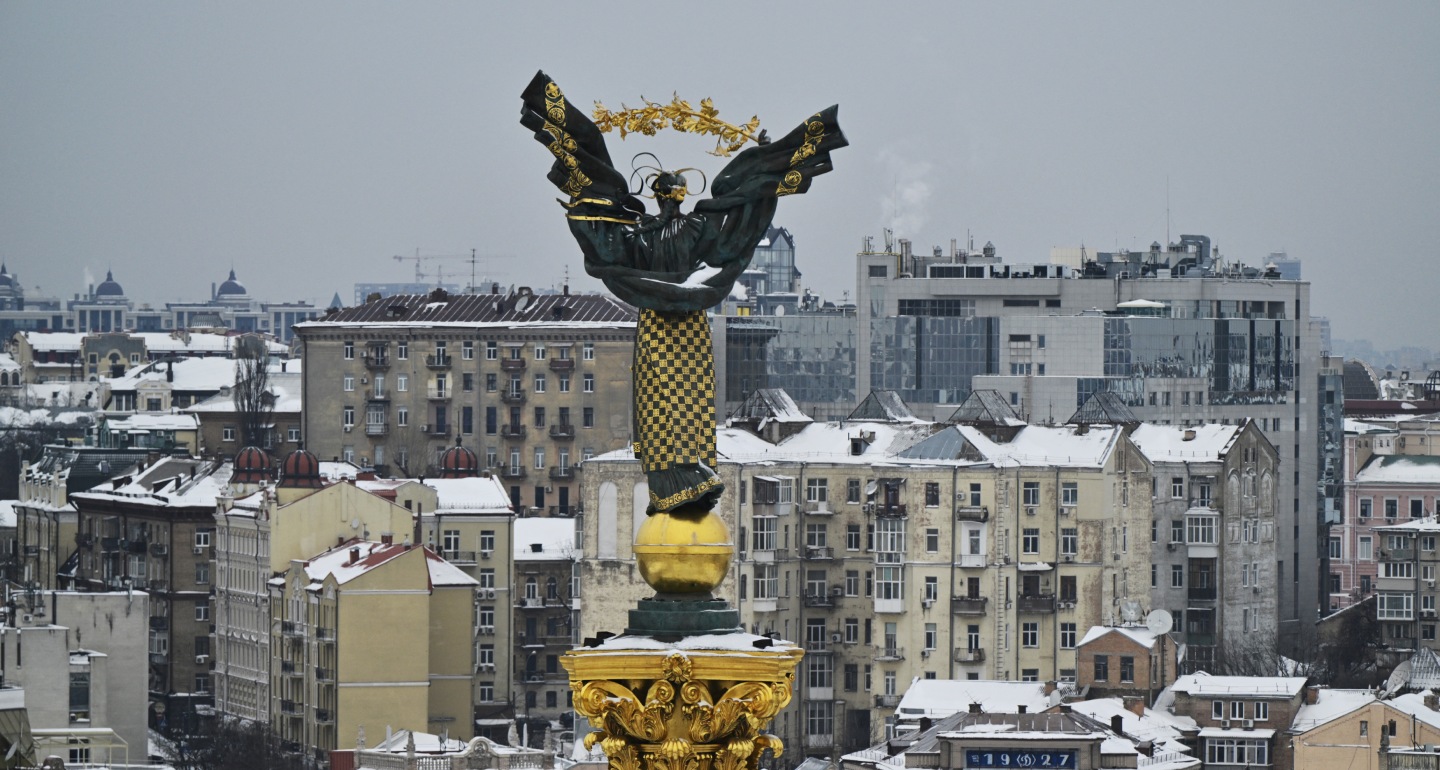
Source: Getty Images
As discussions about settlement and elections move from speculation to preparation, Kyiv will have to manage not only the battlefield, but also the terms of political transition. The thaw will not resolve underlying tensions; it will only expose them more clearly.
As Ukraine enters the fifth year of full-scale war, pressure from the evolving peace process, Russia’s sustained energy strikes, and the gradual unfreezing of domestic politics is reshaping its wartime political equilibrium. Discussions about elections have moved from speculation to technical preparation, even as the country endures its most difficult winter. The political system remains largely self-contained—though less centralized—following the departure of the influential head of the presidential administration, Andriy Yermak. Political competition is cautiously returning under the cover of the fight for survival and the energy crisis.
Former commander in chief Valery Zaluzhny’s recent interview criticizing the way the 2023 counteroffensive was conducted has reignited speculation about electoral timing. Tensions between the popular army chief-turned-ambassador to London and President Volodymyr Zelensky were already being reported early in 2024, but this is the first direct political attack on the president by Zaluzhny.
In Kyiv, discussions about elections had already been gaining momentum. A parliamentary working group is expected to present draft legislation by the end of February. Importantly, sources within the Office of the President now acknowledge that elections could take place even if the war continues—a notable departure from the earlier position that voting would follow the end of hostilities, since the Ukrainian constitution prohibits the holding of elections under martial law.
A compressed electoral timetable is reportedly under consideration, prioritizing speed over a broader political consensus and over establishing procedural norms for a new situation in which millions of Ukrainians are displaced or abroad. This has raised legitimacy concerns from the opposition and independent electoral watchdogs.
For now, however, survival is the priority. Rolling blackouts and heating shortages have affected much of the country, with Kyiv among the hardest hit. All major thermal energy facilities in the region have suffered serious damage, and at least one is unlikely to be restored soon. Colder weather, more systematic Russian strikes, and limited progress on protecting infrastructure have compounded the strain.
In the capital, insufficient investment in decentralized generation is widely viewed as a strategic miscalculation by city leadership. While cities such as Kharkiv moved aggressively to diversify capacity, Kyiv remained dependent on centralized infrastructure that has since proven vulnerable.
The long-running political friction between the central government and the city administration has also resurfaced. The capital’s administration has not received any money under the EU’s Ukraine Facility, even though Kyiv’s 2025 budget showed a surplus, making it eligible for the program. Mayor Vitali Klitschko recently reminded EU ambassadors that dozens of criminal cases have been opened against mayors during Zelensky’s tenure.
The more active segments of society have adapted with characteristic resilience. Informal support networks function effectively: residents rotate between apartments depending on access to heat and electricity. Yet this adaptation is for the mobile and well-connected. The energy crisis has an increasingly visible inequality dimension, placing disproportionate strain on the elderly and on low-income households. For now, wealth is measured less in income than in access to generators, batteries, and alternative heating.
Still, despite extreme fatigue, there are no signs of systemic destabilization. Officials privately express relief that protests remain limited. Mobilization fatigue is real, though government representatives argue that incidents are often amplified by Russian hybrid activity. Nevertheless, the prevailing mood is one of weary endurance rather than open dissent.
Against this backdrop, political repositioning is proceeding quietly. Several groups are preparing, primarily with parliamentary elections in mind. Funding does not appear to be a major constraint, and new media initiatives—including the reported entry of the conservative U.S. outlet Newsmax—suggest that a form of controlled pluralism may gradually reemerge.
Unpublished polling circulating in political circles indicates potential space for a nontraditional candidate, with boxing champion Oleksandr Usyk emerging in those polls as a possible dark horse.
Technically, electoral preparations have begun. Kyiv has asked partner countries to assist in compiling voter lists of citizens residing abroad. Electronic voting through the Diia platform appears unlikely, as concerns about legitimacy and security remain widespread. A compressed electoral timetable—possibly beginning with a presidential vote and shortening the formal campaign period—has been under consideration for a longer period.
Civic activists warn that such a fast-track scenario could weaken perceived legitimacy. Moscow has already begun questioning potential outcomes, particularly regarding the participation of Ukrainians residing in Russia. Yet a quieter question is emerging in Kyiv itself: Would the process amount to a real election or a reelection.
Despite growing electoral discussion, overt political confrontation remains muted. High-profile investigations—including cases involving former prime minister Yulia Tymoshenko and continued sanctions against former president Petro Poroshenko—have generated limited public reaction.
Realignments are taking place, but largely beneath the surface. At the same time, the political class is operating under implicit self-restraint: with high-stakes settlement talks under way, few actors are willing to openly challenge the president or risk appearing to weaken the national position.
This environment has allowed the president to stabilize his post-Yermak management model by accommodating various groups while keeping decisionmaking firmly centralized. The current configuration reflects a functional division of roles.
The new head of the Office of the President, former spymaster Kyrylo Budanov, provides public authority and security credentials; the Office retains the institutional machinery built under Yermak; Defense Minister Mikhailo Fedorov’s credit continues to grow internationally; and Davyd Arakhamia, head of Zelensky’s Servant of the People party faction in the Verkhovna Rada, manages parliamentary discipline. The government under Prime Minister Yulia Svyrydenko is widely perceived as technocratic, reinforcing presidential centrality.
Budanov’s position appears more constrained than public perception suggests. Since moving into the OPU he has not built an independent team and has to operate within inherited structures. His political leverage seems mediated through Arakhamia. Bringing him into the OPU may have simultaneously elevated and neutralized him—binding a potential rival to the current course while limiting his room for independent maneuver.
Zelensky, for his part, remains underestimated. He is visibly tired but politically disciplined. Mounting pressure is increasingly reflected in sharper rhetoric and a more assertive regional posture, including recent recalibrations toward Belarus and disputes surrounding the Druzhba pipeline with Hungary and Slovakia. His ambition to be remembered as the president who secured victory continues to shape both his approach to settlement diplomacy and his domestic positioning, even as the definition of “victory” evolves.
Finally, Zaluzhny remains a factor in polling, though his momentum appears less decisive than immediately after his dismissal. He continues to command respect as former commander in chief, yet questions about both his military record and political viability are beginning to surface more openly. His public communication has been less prominent and, at times, less politically calibrated than might be expected of a future president.
If elections take place during or shortly after the war, his wartime leadership will inevitably face closer scrutiny. In that light, his recent interview can be read not only as a reflection on military strategy but also as an effort to shape the historical and political narrative surrounding the conduct of the war. His speech at Chatham House underscored a preference for sustaining the military effort rather than accelerating political compromise. These interventions suggest an attempt to remain politically relevant while signaling caution toward any rapid electoral timetable.
Meanwhile, anti-corruption institutions continue to operate, albeit in a calibrated manner. Investigations touching on figures close to the president underscore that accountability mechanisms remain active. The arrest of former energy minister Herman Halushchenko while he was attempting to travel abroad is a reminder that the corruption scandal dubbed “Mindich-gate” is not over. At the same time, the pressure on prominent opposition figures appears less intense than in previous phases, reinforcing the impression of managed competition rather than open confrontation.
Basing on author’s interviews in Kyiv, reports of potential legal exposure for figures associated with the previous Office of the President’s leadership continue to circulate. In this context, Zelensky’s firm posture in settlement negotiations should also be understood domestically: it reflects not only national interest calculations, but also the logic of political survival in a system where legitimacy, security, and personal accountability remain closely intertwined.
The coming thaw may bring temporary relief to the energy system, but it will also intensify military, diplomatic, and internal political pressures. As discussions about settlement and elections move from speculation to preparation, Kyiv will have to manage not only the battlefield, but also the terms of political transition. The thaw will not resolve underlying tensions; it will only expose them more clearly.

Political analyst, former Slovak diplomat, and consultant specializing in Eastern Europe
Recent Work
Balázs Jarábik
Balázs Jarábik
Carnegie does not take institutional positions on public policy issues; the views represented herein are those of the author(s) and do not necessarily reflect the views of Carnegie, its staff, or its trustees.
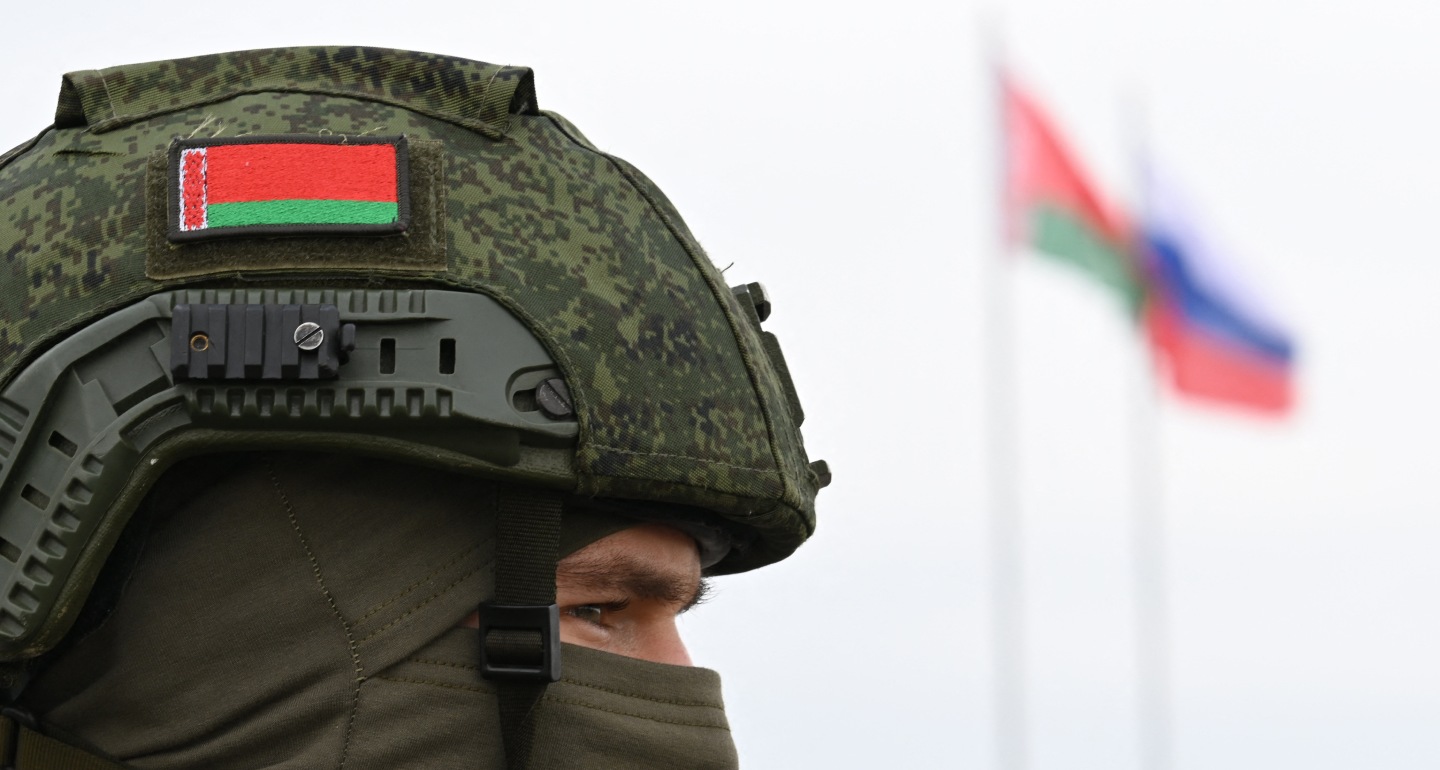
By reminding the world that Lukashenko is a threat to NATO and Ukraine, Kyiv is trying to return the focus to why the Belarusian regime needs to be contained rather than rewarded.

Artyom Shraibman
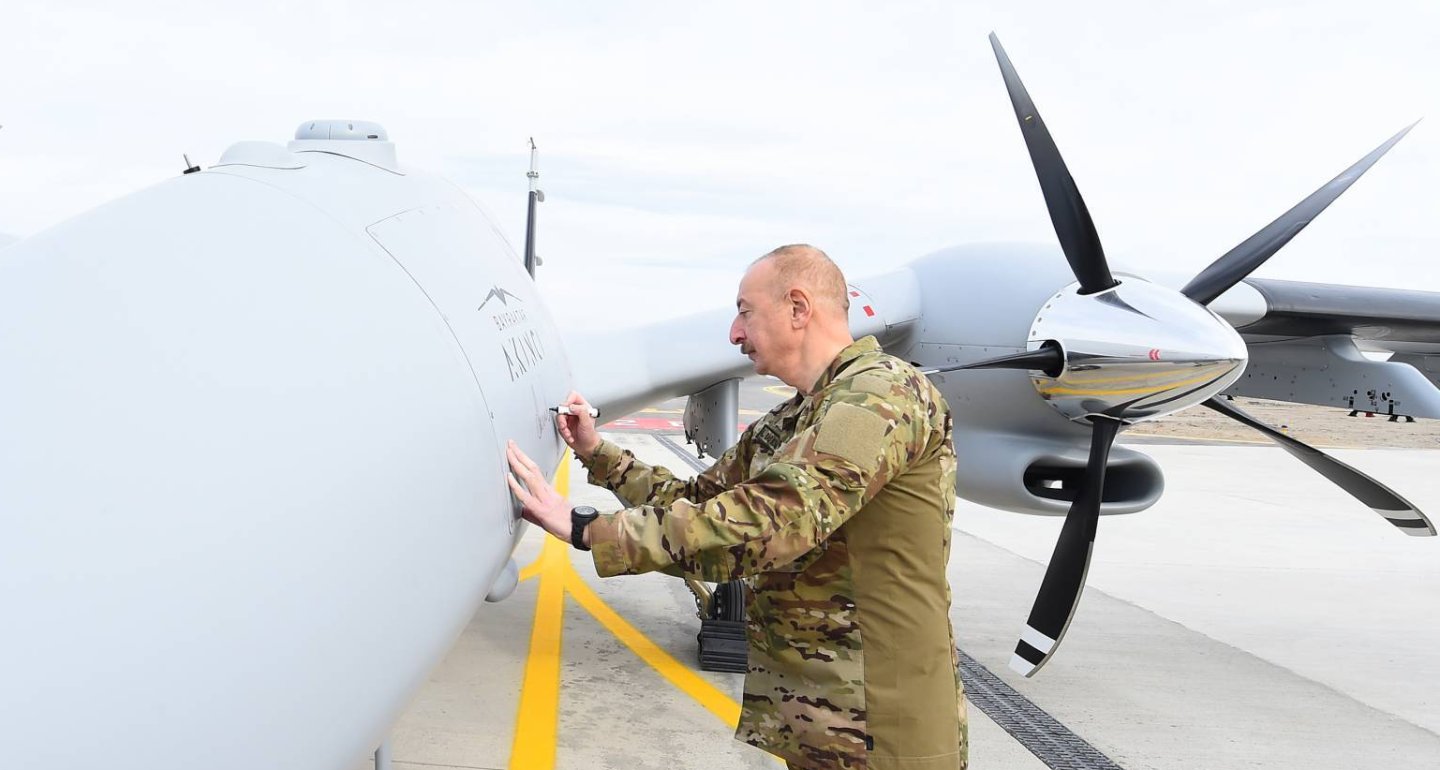
Baku’s backing for Ukraine is less about confronting Russia than about quietly broadening the mix of partners it relies on.

Zaur Shiriyev
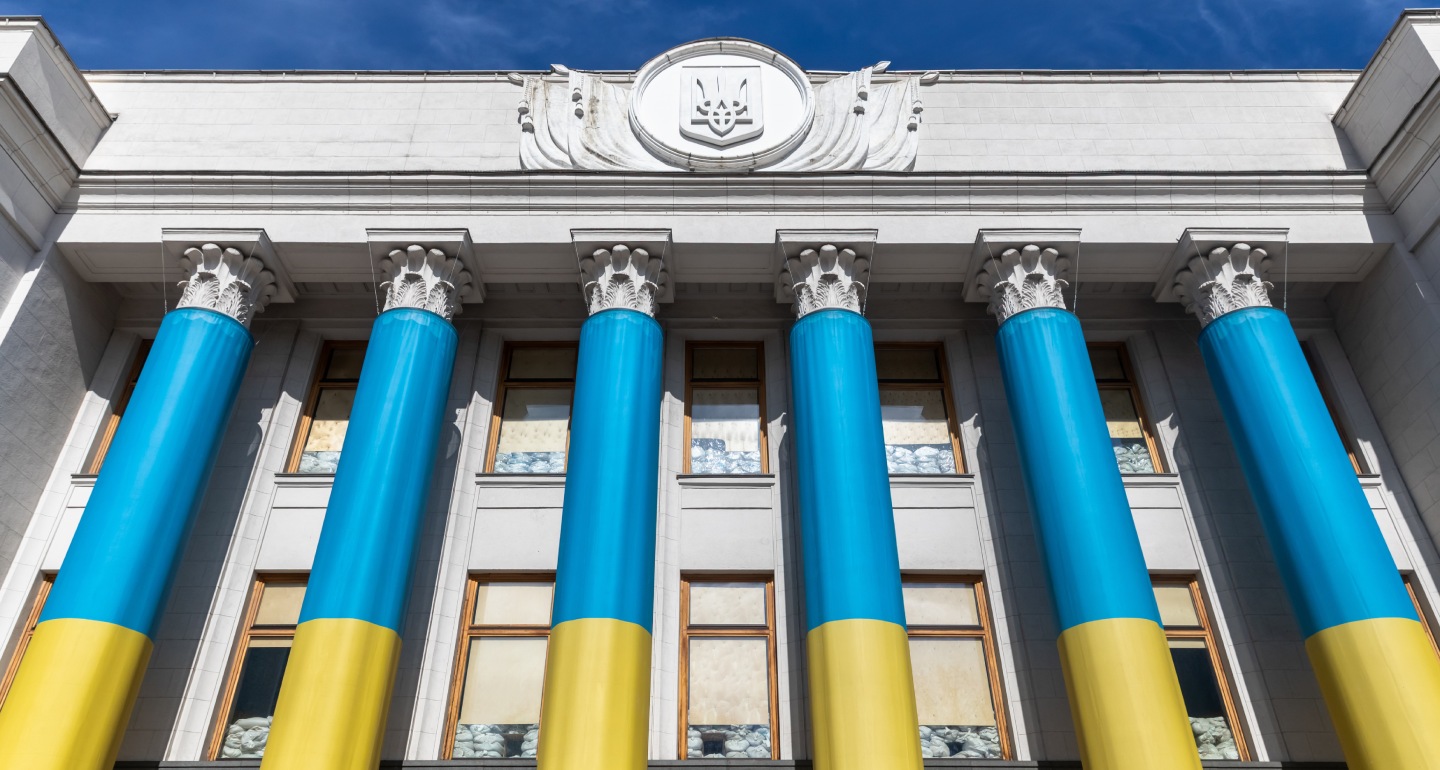
The return of parliamentary politics reflects a broader shift from earlier expectations of a settlement and elections toward the reality of a prolonged war.
Balázs Jarábik
Putin is stalling, waiting for a breakthrough on the front lines or a grand bargain in which Trump will give him something more than Ukraine in exchange for concessions on Ukraine. And if that doesn’t happen, the conflict could be expanded beyond Ukraine.

Alexander Baunov
The main source of Russian aggression is a profound mistrust of the West and the firm belief that it intends to inflict a “strategic defeat” on Russia. As long as this fear persists, the war will not end.

Tatiana Stanovaya