


project
Information Environment Project
Assessing National Information Ecosystems
Geopolitical shifts and technological innovations are rocking policymaking internationally. While many countries are concerned about over-reliance on foreign-sourced technology and services, all are grappling with the introduction of artificial intelligence in various forms. Yet few, if any, have a full picture of the state of their national information ecosystem, limiting strategic options as a result.
The Information Environment Project fosters evidence-informed policymaking for governance of national information ecosystems. It is unique in that it takes a comprehensive approach accounting for human skills, various technologies from infrastructure to digital services, and the materials consumed within an information ecosystem. In this way, IEP aims to identify the conditions making information ecosystems more resilient to disturbances, such as the introduction of new technology or foreign interference, to inform more effective policymaking.
Project Advisors
Senior Fellow, Technology and International Affairs, Director, Information Environment Project

Alicia is the director of the Information Environment Project and the author of The Information Animal: Humans, Technology and the Competition for Reality. Alicia was a technical advisor to the Aspen Institute’s Commission on Information Disorder and is a founding member of its Global Cybersecurity Group.
Michael Berk
Visiting Research Fellow, CCSIRS, University of Florence
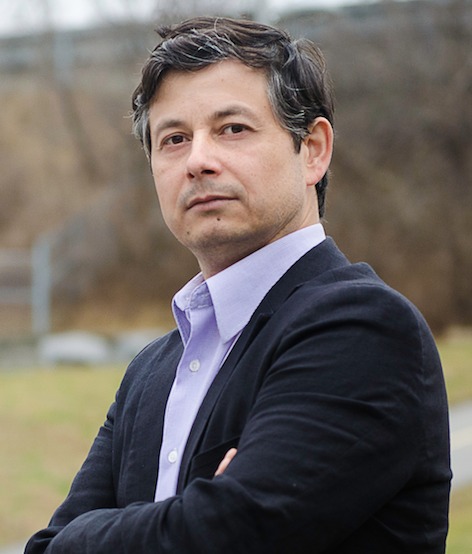
Michael is a Canadian strategic advisor and former Global Affairs Canada official focused on information integrity, security, and governance. Since 2012, he has worked across government, academic, and NGO communities to strengthen understanding of and responses to information threats, including with OSCE on cyberspace confidence-building, Wikimedia Foundation and G7 on disinformation and foreign interference, and International IDEA on national resilience.
Fellow, Carnegie Europe

Raluca Csernatoni is a fellow at Carnegie Europe, where she specializes on European security and defense, as well as emerging disruptive technologies.
Libby Hemphill
Associate Professor, School of Information, University of Michigan
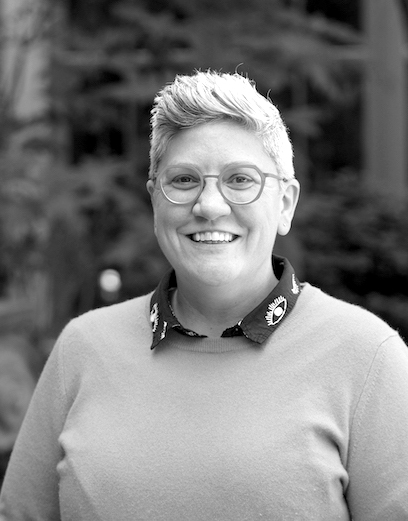
Libby’s research sits at the intersection of AI, human labor, and data infrastructure. Her work on metadata generation and curation infrastructure advances the long-term accessibility and trustworthiness of data. She also directs the Resource Center for Minority Data and Social Media Archive at the Interuniversity Consortium for Political and Social Research.
Sina Laubenstein
Director of Programmes, ISD Germany

Sina is the Director of Programmes at the Berlin office of the Institute for Strategic Dialogue, leading the design of the organization's regional strategy. She has worked on projects mapping the "nudify" tools ecosystem, monitoring disinformation and foreign interference around German elections, and gender-based violence during elections. Sina previously advised German policymakers on legislation against digital violence.
David Scales
Assistant Professor of Medicine, Weill Cornell Medicine

David is an internal medicine hospitalist whose training in sociology, epidemiology, and medicine grounds his work on how structural factors shape health information environments. In addition to serving on the board of Questscope and providing medical assistance to Syrian refugees in Jordan, he co-founded a CHW program in the Levant, now serving as its research and program advisor.
Heidi Tworek
Director, Centre for the Study of Democratic Institutions
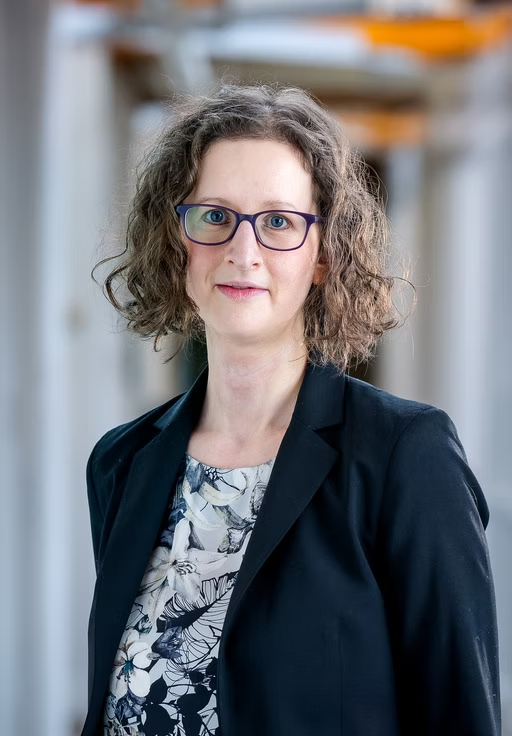
Heidi is the Canada Research Chair and professor of History and Public Policy at the University of British Columbia. Tworek is a senior fellow at the Centre for International Governance Innovation and a Non-Resident Fellow at the Canadian Global Affairs Institute. She is a fellow of the Royal Society of Canada’s New College of Scientists, Artists, and Scholars.
Claire Wardle
Associate Professor, Department of Communication, Cornell University
Claire’s research focuses on user-generated content, verification, and misinformation. She has spent the past two decades working across sectors, including as an academic at universities in the U.K. and the U.S., working with different international news organizations and the United Nations, and advising policymakers. She also co-founded the non-profit First Draft and the Information Futures Lab at Brown University.